
What Is Lufanest? A Simple Look at Science and Smart Innovation
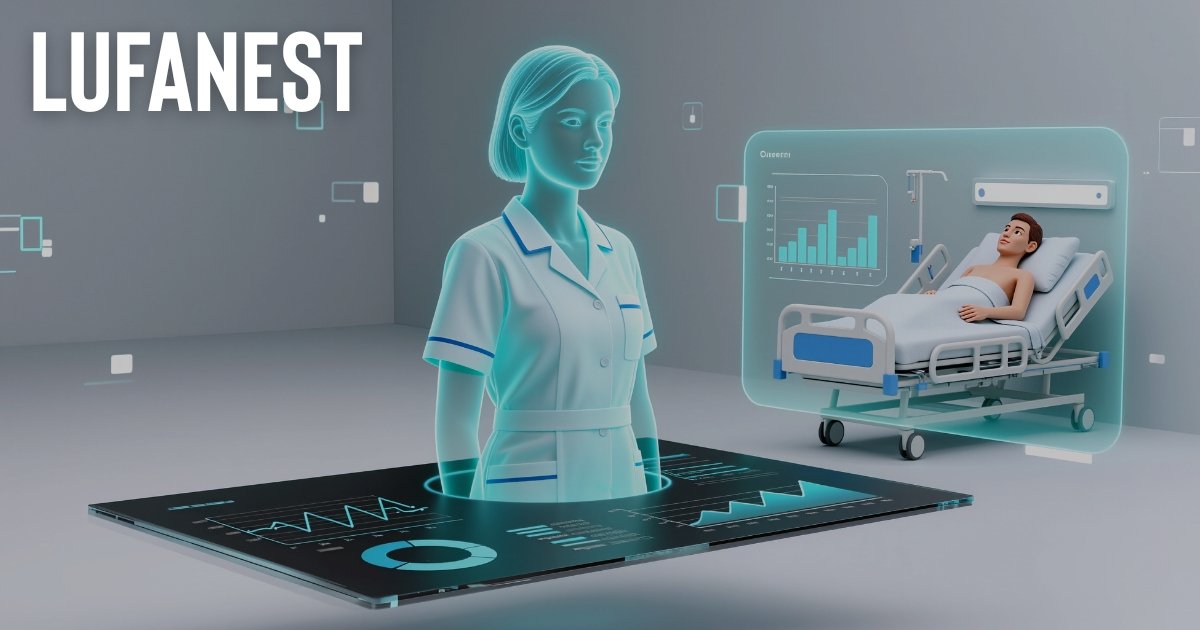
Technology is moving fast, but nature has always been the best teacher. Today, scientists and innovators are blending the two worlds through something called Lufanest. It’s a concept that brings natural intelligence and modern science together to create smarter, more sustainable systems.
In this guide, you’ll learn what Lufanest means, how it works, and why it’s shaping the future of innovation. From healthcare to artificial intelligence, this new idea is transforming how we think about technology and design.
Understanding Lufanest, Meaning, and Core Idea
At its core, Lufanest combines the ideas of life and structure. “Lu” represents air, life, and natural flow, while “Nest” stands for design, stability, and harmony. Together, they form a vision of systems that grow and adapt like living organisms.
Lufanest connects biology with technology. It shows how natural systems can inspire digital tools, data models, and physical designs. Instead of separating science from nature, Lufanest blends them to create balance.
This concept differs from traditional research models that often focus on single goals. Lufanest promotes adaptive systems that learn, evolve, and stay sustainable over time. For modern industries, it’s a way to stay competitive by working with nature, not against it.
The Origin and Evolution of Lufanest
Early Beginnings in Scientific Observation
The idea of Lufanest began when scientists started studying how natural systems work efficiently. From plant growth to animal movement, nature has always adapted perfectly to its surroundings. Researchers saw that these same patterns could be used in technology and engineering.
Growth Through Technological Integration
As artificial intelligence, robotics, and sustainable design advanced, scientists began using Lufanest-like methods to solve real problems. Early projects focused on creating machines that could self-adjust or learn from the environment. This evolution gave rise to modern Lufanest frameworks, systems that connect observation, technology, and adaptability.
The Modern Shift Toward Adaptive Innovation
Today, innovators use Lufanest to design solutions for complex global issues. From climate change to healthcare and smart cities, the goal is the same: build systems that think and respond like nature itself. Lufanest is not just a theory anymore, it’s a practical path toward sustainable progress.
Also Read: What Is Antarvacna? Explore Its Meaning and Modern Impact
Core Principles Behind Lufanest
Observation and Learning from Nature
Everything starts with observation. Lufanest encourages scientists to watch how natural systems operate, how they recycle energy, manage balance, and recover from change. These insights are then used to improve technology design.
Translation Into Technology
The next step is translation. This means turning biological processes into practical tools or systems. For example, studying how leaves capture sunlight can inspire better solar panels, and observing how ants organize can help design smarter logistics networks.
Continuous Adaptation and Feedback
Lufanest systems never stop learning. They use real-time data to adjust and optimize performance. Artificial intelligence and analytics play a key role in this process, helping systems self-improve without human interference.
Also Read: Simpcitt: The Smarter Way to Work and Collaborate Online
Key Components of Lufanest Systems
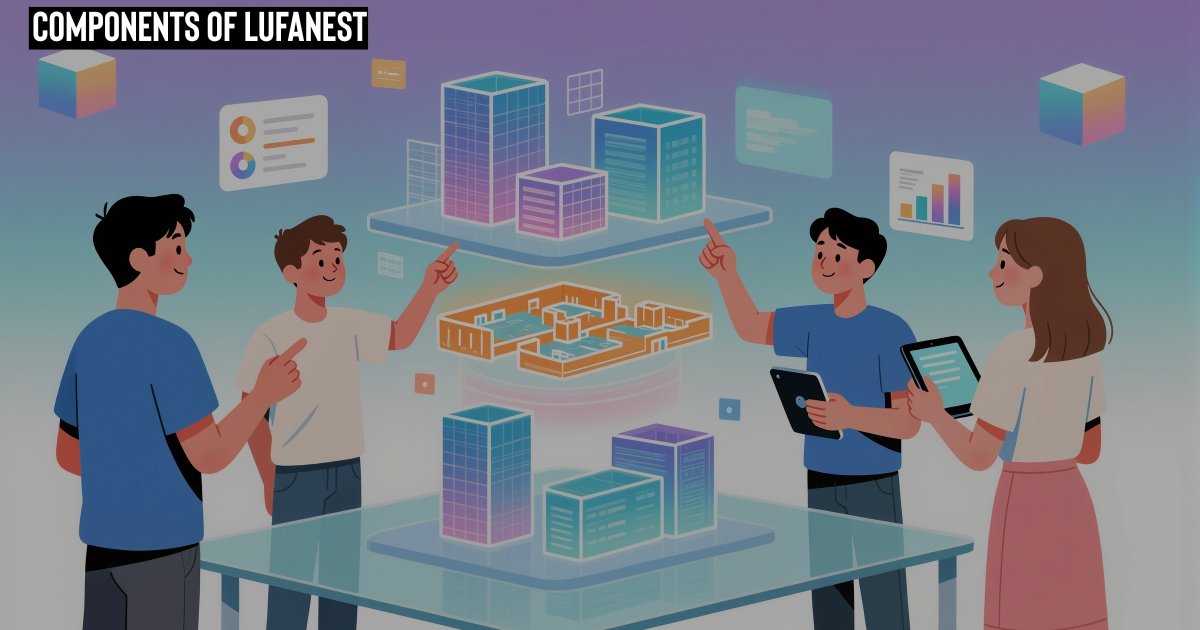
Data and Analytical Frameworks
Data is the backbone of Lufanest. It connects all parts of the system and enables smarter decisions. Through data loops, Lufanest frameworks monitor patterns and improve their accuracy continuously.
Sustainable Design and Efficiency
One of the strongest parts of Lufanest is its focus on sustainability. It promotes eco-friendly engineering inspired by natural efficiency, using less energy, reducing waste, and improving recycling methods. Examples include green architecture, renewable materials, and smart resource management.
Human and AI Collaboration
Lufanest does not replace human creativity. Instead, it enhances it. By combining human intuition with machine learning, organizations can design systems that are both logical and emotionally aware. This balance keeps technology human-centered.
Real-World Applications of Lufanest
In Healthcare and Medicine
In healthcare, Lufanest is helping create adaptive recovery systems. Hospitals use AI-based models inspired by biology to predict patient needs and speed up healing. Smart data integration also improves diagnostics and mental health research.
In Artificial Intelligence and Data Science
AI systems built on Lufanest ideas learn more efficiently. They adapt based on feedback, much like how organisms evolve. These systems are used for predictive analytics, automation, and even smart climate modeling.
In Architecture and Urban Design
Buildings designed with Lufanest principles copy nature’s designs. They regulate light, temperature, and airflow naturally. Smart cities are adopting these ideas to improve energy efficiency and urban comfort.
In Environmental Science and Climate Action
Lufanest supports green innovation. Scientists use its principles to design renewable energy grids, manage water systems, and track environmental changes. It helps balance human progress with ecological preservation.
In Education and Social Systems
Education systems inspired by Lufanest focus on adaptive learning. Just like ecosystems, classrooms can evolve based on feedback and data. This creates more personalized and effective learning environments.
Benefits of Lufanest in Modern Innovation
Lufanest offers many real-world benefits. It helps businesses process data faster, reduce waste, and make smarter decisions. By combining natural logic with modern tools, it improves efficiency and supports sustainability.
It also strengthens collaboration between humans and machines, building systems that are intuitive and scalable. For industries facing rapid change, Lufanest creates pathways to long-term adaptability.
Challenges and Limitations of Lufanest
Like any new framework, Lufanest comes with challenges. Implementing it can be expensive and technically complex. Many organizations also struggle to train teams for adaptive systems.
Ethical issues arise too, especially when AI models are built to mimic living systems. To overcome these challenges, experts recommend cross-functional education, transparent data practices, and gradual implementation.
The Role of Artificial Intelligence in Lufanest
Artificial intelligence is the engine behind most Lufanest systems. It helps simulate natural processes, predict outcomes, and optimize design. With machine learning, AI models can continuously refine themselves based on new data.
This partnership between AI and Lufanest leads to more responsive systems — ones that can manage smart cities, digital healthcare, and sustainable industries more effectively.
The Future of Lufanest | A Path Toward Sustainable Intelligence
The future of Lufanest looks promising. As industries move toward green energy and adaptive automation, this concept will play a key role. It can make technology more ethical, responsive, and environmentally friendly.
From digital platforms to physical infrastructure, Lufanest could define how humanity builds intelligent systems that protect both people and the planet.
Ethical and Responsible Use of Lufanest
Responsible innovation is at the heart of Lufanest. Developers must ensure fairness, transparency, and accountability when using AI or bio-inspired designs. Overreliance on automation should be avoided, and human oversight must remain part of every process.
Building trust through ethical innovation will help Lufanest grow as a positive force in society.
How to Implement Lufanest Principles in Practice
Step 1. Study Natural Systems and Patterns
Start by observing natural models like weather systems, growth patterns, or animal behaviors.
Step 2. Identify Problems That Need Adaptive Solutions
Find areas in your organization where static methods fail and flexibility is needed.
Step 3. Integrate Lufanest Tools and Frameworks
Use data-driven tools that enable real-time learning and adaptation.
Step 4. Monitor, Optimize, and Evolve Continuously
Track system feedback and improve over time, just like nature evolves.
Conclusion
Lufanest shows that nature and technology can grow together. It reminds us that progress doesn’t mean separation from the environment, but deeper connection with it.
By following its principles, organizations can build smarter, fairer, and more sustainable systems, creating innovation that truly works for both people and the planet.
FAQs About Lufanest
What does Lufanest mean in simple terms?
It’s a concept that connects natural adaptability with technological intelligence.
How is Lufanest used in technology and design?
It guides sustainable, data-driven, and flexible system designs.
What industries benefit most from Lufanest?
Healthcare, AI, architecture, education, and environmental science.
Can small organizations adopt Lufanest principles?
Yes, by starting small and using data to build adaptive workflows.
What makes Lufanest different from other innovation frameworks?
It focuses on balance, blending nature’s resilience with human creativity and machine precision.

