
What Is Transds? A Simple Guide to Smarter Data Integration

In today’s digital age, businesses depend on data. But when systems don’t talk to each other, efficiency drops, errors rise, and opportunities disappear. That’s the pain most organizations face every day.
Now imagine a framework that connects all your systems, automates data flow, and keeps everything updated in real time. That’s what Transds promises, a smarter, simpler way to unify your digital world.
In this guide, you’ll learn what Transds means, how it works, its benefits, and how businesses can use it to build faster, more connected, and intelligent systems.
Understanding Transds | Meaning and Core Concept
Transds, short for Transformation Data Systems, is a next-generation framework designed to bring all your data together. It doesn’t just store or manage information, it synchronizes, integrates, and adapts across platforms in real time.
Traditional data models often work in isolation. They collect information but rarely communicate with other tools or platforms. Transds changes that by building a bridge between systems. It ensures that data flows smoothly across departments, software, and even devices.
In simple terms, Transds is the backbone of modern digital transformation. It helps organizations make quick, informed decisions by keeping their information consistent, accurate, and accessible. Businesses that adopt Transds gain agility, speed, and smarter insights, all key to staying competitive in today’s fast-changing world.
The Origin and Evolution of Transds
Early Roots in Data Integration
The idea behind Transds began when companies first struggled to connect multiple databases and systems. Each department used different tools, creating isolated silos of information.
To fix this, early digital pioneers started developing data integration solutions that could share information automatically. Over time, these systems evolved into more complex frameworks, laying the foundation for what we now call Transds.
The Rise of Adaptive Digital Systems
With the rise of cloud computing, APIs, and artificial intelligence, data integration entered a new era. Businesses no longer wanted static systems. They needed intelligent models that could learn, adapt, and optimize automatically.
Transds evolved to meet that need. It became a living, adaptive framework, capable of connecting not just databases but entire ecosystems across the digital landscape.
Also Read: What Is Simbramento? A Simple Look at Art and Culture
Core Principles Behind Transds
Seamless Data Integration
The first goal of Transds is to unify data from different sources into a single, transparent system. Whether it’s sales, operations, or customer service, all information updates in real time. This helps organizations build trust, improve accuracy, and eliminate duplication.
Adaptability and Automation
Transds frameworks are designed to adapt automatically. When one system changes or updates, others adjust instantly. Machine learning and AI play a major role here, continuously optimizing data flow and system performance.
Efficiency and Sustainability
Transds doesn’t just improve speed; it also promotes sustainability. By streamlining workflows and reducing redundancy, it lowers energy use and operational costs. Many businesses now use Transds to support eco-friendly digital strategies.
Human-Centric Design
Despite its automation capabilities, Transds keeps people at the center. It provides intuitive dashboards, visual data mapping, and user-friendly workflows that help employees make better decisions faster.
Security and Compliance
Data protection is another key pillar. Transds systems follow strict global standards like GDPR and HIPAA, ensuring sensitive information remains safe while maintaining full transparency.
Also Read: What Is Kipflix? Meet the Rising Star in Online Streaming
Key Components of a Transds Framework
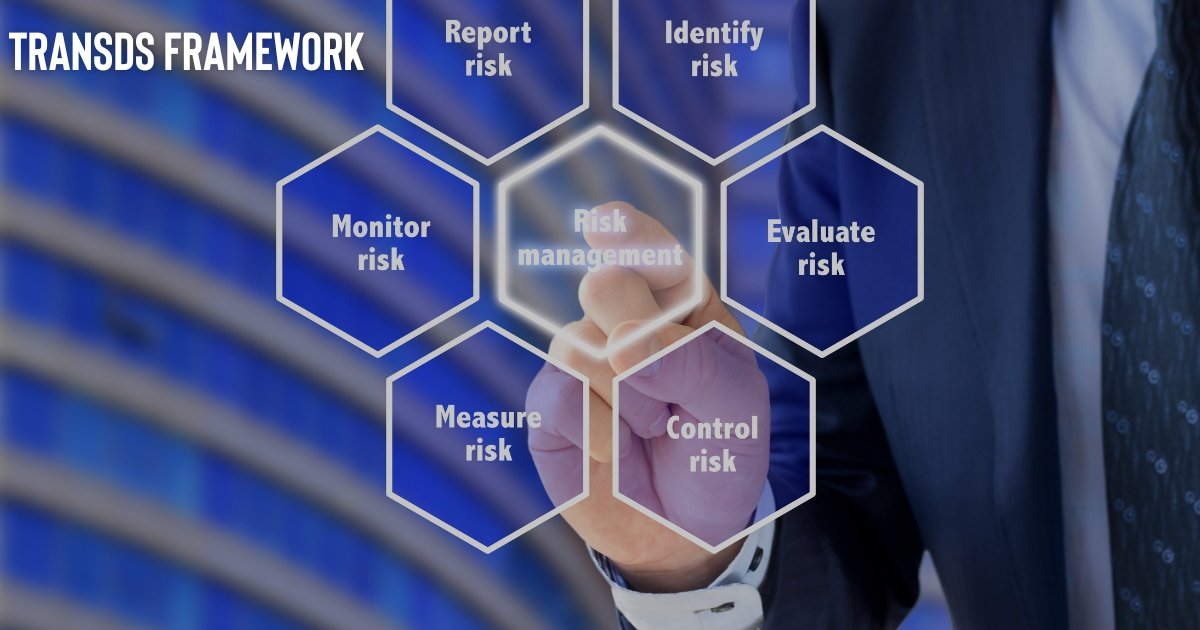
Data Pipelines and Connectors
At its core, Transds uses pipelines and connectors to move data between platforms. APIs and middleware allow systems to communicate seamlessly, regardless of software or location.
Analytics and Insight Layer
This is where data becomes powerful. Transds uses AI-driven analytics to transform raw information into actionable insights. Predictive and prescriptive analytics help organizations make smarter, faster business decisions.
Automation and Workflow Management
Real-time synchronization ensures that reports, dashboards, and processes update automatically. For example, a company can track sales performance across regions instantly without manual effort, saving time and boosting accuracy.
Applications of Transds Across Industries
In Manufacturing and Industry 4.0
Factories use Transds to connect IoT sensors, production data, and supply chains. This improves efficiency, reduces waste, and enables predictive maintenance.
In Healthcare and Medical Data Systems
Transds supports secure patient data exchange, faster clinical decisions, and improved collaboration between hospitals and labs, all while maintaining privacy compliance.
In Finance and Banking
Banks use Transds for fraud detection, risk management, and automated compliance. It also helps provide real-time insights into customer behavior and financial trends.
In Logistics and Supply Chain
Transds improves tracking, forecasting, and delivery accuracy. Predictive analytics help companies plan routes and inventory more efficiently.
In Education
Schools and universities apply Transds to unify student records, learning systems, and performance data for more personalized education.
In Smart Cities and Urban Planning
Governments use Transds to manage public services, traffic data, and infrastructure through centralized dashboards, helping create smarter, more sustainable cities.
In Environmental and Sustainable Development
Organizations rely on Transds to track energy consumption, carbon emissions, and waste patterns to meet sustainability goals.
Benefits of Implementing Transds
Businesses that adopt Transds enjoy faster data processing, real-time decision-making, and smoother collaboration between teams. It reduces manual work and costs through automation.
The framework also enhances transparency and security, helping companies build trust with customers and regulators. Most importantly, Transds scales easily, adapting as organizations grow or adopt new technologies.
Challenges and Barriers to Adopting Transds
While the benefits are clear, implementing Transds comes with challenges. Costs, integration complexity, and staff training often create barriers.
Organizations may face skill gaps or data privacy concerns, especially in regulated industries. The key is planning carefully, choosing flexible tools, starting small, and using automation to handle routine tasks.
The Role of Artificial Intelligence in Transds
AI is the engine that powers modern Transds systems. It automates data mapping, detects errors, and predicts patterns. Machine learning continuously improves accuracy by analyzing historical data and user behavior.
Some Transds platforms already use AI to trigger automated actions, like adjusting workflows, flagging anomalies, or updating dashboards in real time. This makes data management smarter and more proactive than ever.
Future Trends and Innovations in Transds
The next generation of Transds frameworks will be cloud-native, no-code, and blockchain-ready. Low-code tools will allow non-technical teams to create integrations easily.
Blockchain will add transparency and trust, while AI will push automation to new levels. Together, these innovations will make Transds the foundation of the digital ecosystems of the future.
How to Implement Transds Successfully
Step 1. Assess Your Data Infrastructure
Start by understanding your current data flow. Identify what systems are disconnected and where delays occur.
Step 2. Choose the Right Transds Tools
Select a platform that fits your business needs, supports scalability, and offers strong security.
Step 3. Train Teams and Build Collaboration
Ensure your IT, management, and staff all understand the framework. Collaboration is key to a smooth transition.
Step 4. Monitor, Optimize, and Scale
Use analytics to track performance, fix issues, and scale the system as your business grows.
Ethical and Responsible Use of Transds
As automation grows, ethics matter more than ever. Transds frameworks must be transparent and fair in how they process data.
Companies should prevent misuse, bias, or hidden manipulation. Building user trust means using technology responsibly and keeping human oversight in place.
Conclusion
Transds is more than just another tech trend. It’s a vital framework for connecting systems, empowering teams, and enabling smarter business operations.
By adopting Transds, organizations can move beyond data chaos into a future of seamless communication, efficiency, and innovation. The age of connected intelligence is here — and Transds is leading the way.
FAQs About Transds
What does Transds stand for in digital transformation?
Transds stands for Transformation Data Systems, a framework for unified data integration.
How is Transds different from traditional data integration?
It uses automation, AI, and real-time synchronization, unlike older static models.
Is Transds suitable for small and mid-sized businesses?
Yes, modern Transds tools are scalable and cost-efficient for all business sizes.
How does AI improve Transds performance?
AI automates mapping, predicts errors, and enhances decision-making accuracy.
What industries benefit most from Transds?
Manufacturing, finance, healthcare, logistics, and education see the biggest advantages.