
4 Smart Ways To Upgrade A Dated Home Without Losing Its Soul
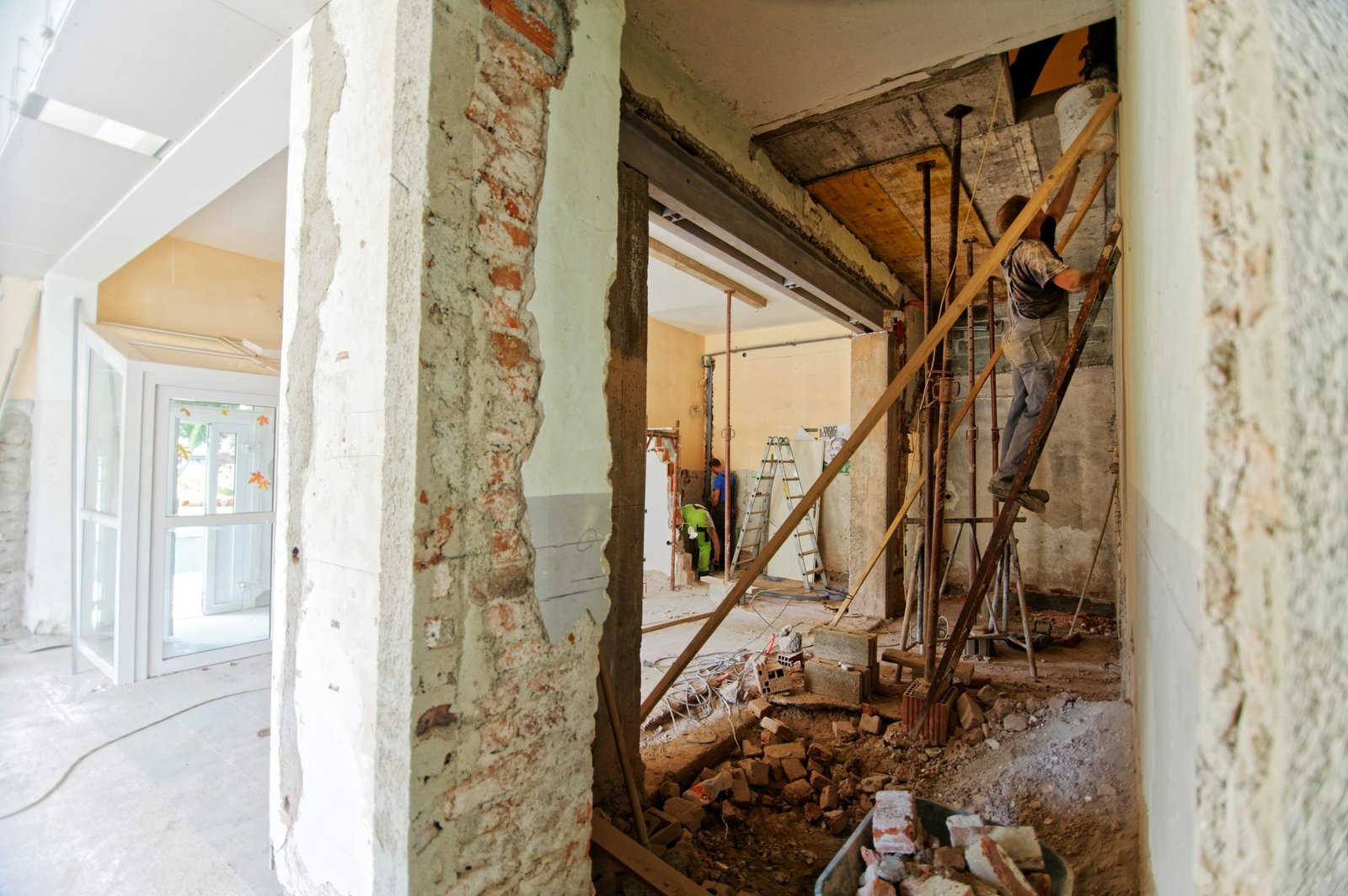
An older house can feel warm and familiar, yet still nag at you with cramped rooms, tired finishes, and awkward layouts. You may love the memories in those walls, but you are ready for a home that functions for the way you live now. The good news is that you do not have to gut every room to get there. A thoughtful refresh can completely shift the mood of a home while keeping its history intact. Designers at tksdesigngroup.com often begin with a few strategic changes to layout, storage, color, and light that create a huge impact without erasing character.
Below are four big-picture moves inspired by a whole-home update where the kitchen, bathrooms, and dining room were carefully modernized while the overall footprint stayed mostly the same.
Let Your Rooms Breathe Again
Many dated homes feel cramped, not because the floor plan is terrible, but because walls, soffits, and bulky storage close in the space. Once those elements are removed or reworked, the same room can feel taller, wider, and calmer without adding a single square foot.
In the project that inspired this article, the kitchen layout actually worked well for the homeowners. Appliances were in the right places, traffic flow made sense, and the family felt comfortable cooking there. What did not work was the way the room felt visually heavy. Instead of ripping everything out, the design focused on opening the room vertically and simplifying what was on the walls.
Soffits over the cabinets and a deep pantry closet made the room feel squat and boxed in. Removing those elements instantly created breathing room at the ceiling and freed up space for cleaner cabinetry. Surprise utilities inside the pantry wall appeared once demolition started, which is common in older homes, but a bit of creative rerouting solved the problem and kept the new plan intact.
Another change with an outsized impact was eliminating an old built-in desk that had turned into a clutter magnet. In its place, the designers added a simple “landing zone” with storage for mail, keys, and daily drop items. The footprint barely changed, yet the function of the space shifted from messy to streamlined.
Finally, the finishes were chosen to support that airy feeling. Light cabinetry, a slightly deeper neutral backsplash, and a subtle countertop in a pale tone kept the northern light bouncing around the room instead of being swallowed by dark surfaces.
Read More: Tiny Upgrades And Big Remodels That Make Home Feel Brand New
Let Your Style Show Up In Every Corner
When one room gets a big upgrade, the rest of the house can suddenly feel more dated by comparison. The solution is not to match every finish, but to carry the same spirit from space to space so the home feels cohesive rather than pieced together.
Here, the renewed kitchen became the visual anchor for the main floor. Modern but comfortable furniture was added to the breakfast nook and family room, echoing the cleaner lines and lighter palette from the kitchen. The effect was subtle, yet powerful. Instead of walking from a fresh kitchen into a heavy living area, everything now felt like part of the same story.
Lighting played a starring role. Staggered fixtures created rhythm along the ceiling and helped define zones without chopping up the space. Soft, warm light temperatures kept things inviting rather than clinical. A dated powder room just off the kitchen also received a bold new floor pattern and updated finishes that felt playful while still blending with the rest of the main level. The homeowners hesitated at first over the patterned floor, then later called it their favorite detail, which shows how a small design risk can completely transform a tiny room.
If you feel nervous about bolder choices, try them in contained areas. A little bathroom, a reading nook, or one accent wall is an ideal place to experiment with pattern, color, or unexpected materials. Once you live with that change for a while, it is much easier to decide how far to carry it through the rest of the house.
Read More: Experience the Comfort of a Professionally Cleaned Home Every Day
Give Everyday Bathrooms A Gentle Facelift
Hall bathrooms and family baths often end up last on the priority list, even though they are used constantly. You do not need a luxury spa layout to make these rooms feel welcoming and current. Thoughtful surface updates can refresh them in a surprisingly short time.
In the hall bath from this project, the main goal was to erase the tired look without reconfiguring plumbing. The floor was replaced with porcelain tile that mimics the soft veining of classic marble, which instantly elevated the entire room. A simple vanity with clean doors and a quartz top offered fresh storage and easy maintenance.
The cast-iron tub was in good shape structurally; it just looked worn. Reglazing gave it a bright new finish instead of sending it to the landfill. The first attempt did not go as planned due to product issues, so the team brought in another refinisher and tried again. That second pass delivered the smooth finish everyone expected. It is a good reminder that renovation always carries a few surprises, and the right partners will keep working until the result matches the vision.
Fresh paint, updated fixtures, and a well-chosen mirror completed the transformation. The bath still functioned the same way, yet it felt lighter, crisper, and far more aligned with the rest of the home.
Turn A Compact Primary Bath Into A Retreat
Primary bathrooms in older homes are often small compared to modern standards. Instead of expanding walls, you can concentrate on focusing the space around one strong feature and using materials that feel special underfoot and at eye level.
In this case, the tub was swapped for a generous shower, which dramatically improved day-to-day use. Porcelain planks with a warm wood pattern brought in the character of hardwood flooring without the maintenance headaches in a wet area. A streamlined vanity with integrated storage anchored the sink wall and offered enough counter space for daily routines without overwhelming the room.
The shower itself became a focal point with glass doors that glide on a track. This kept the room visually open and avoided the chopped-up feeling that solid walls or curtains can create. Wallcovering with a subtle texture in the sink area added depth and richness, helping the compact room feel more intentional and sophisticated. With the right materials and proportions, even a modest footprint can read as tailored rather than cramped.
Read More: From Messy to Inviting With Reliable Home Cleaning Help
Decide Whether To Renovate All At Once Or In Phases
One of the most common questions with an older home is whether to handle everything in a single project or move room by room over time. In the story behind this remodel, the initial focus was on the kitchen and baths. Once those spaces were complete, the dining room suddenly felt very dated. The homeowners realized their main entertaining space now needed to catch up to the rest of the house.
The dining room update centered on a few targeted moves. A feature wall was created to anchor the table and give the room a sense of occasion. New furniture replaced a tired set, bringing in comfortable seating that also echoed the cleaner shapes used nearby. In a tight corner, a built-in bench provided extra seating and made better use of the floor area.
Lighting once again set the mood. Overhead fixtures were placed on dimmers so the room could shift easily from family meals to special gatherings. Art and color on the walls turned them from blank surfaces into part of the experience. A well-sized rug tied everything together and was chosen large enough that chairs remained on the rug even when pulled back from the table. These details are small on their own, yet together they shape how the room feels every time you walk in.
There is no single right answer about phasing. Some homeowners prefer one intensive project, others prefer several smaller ones. What matters most is having a clear long-term vision so that each step supports the next rather than fighting it.
Harness Natural Light Wherever You Can
Nothing updates a home faster than better light. New fixtures help, but the way daylight moves through your rooms has an even bigger effect on mood.
In this remodel, paint and finishes were chosen with light in mind. Window frames painted in crisp white reflected more brightness into the rooms. Walls in gentle, pale tones made spaces feel open and clear rather than heavy.
Mirrors became quite workhorses. Placed across from windows or at angles where they could catch and throw light deeper into the room, they expanded views and brightened corners that had previously felt gloomy. Window treatments were swapped for lighter, sheer fabrics that softened the light without blocking it. In a few key spots, the idea of enlarging windows or altering their shape was considered to capture more sun in living areas where the family spent most of their time. The result was a home that felt awake during the day instead of dim and closed in.
Bringing An Older Home Beautifully Into The Present
Upgrading a dated home is really about respect. You are honoring what already works while being honest about what no longer fits your life. By opening up heavy features, aligning style from room to room, refreshing hardworking bathrooms, and paying close attention to natural light, you can create a home that feels renewed without erasing its story.
Whether you tackle everything at once or progress through a thoughtful sequence of projects, the key is to stand back and see the house as a whole. When every room supports the next, an older home stops feeling tired and starts feeling intentional, comfortable, and deeply yours.