
How the UK’s Online Safety Rules Will Reshape Toxic Gaming Communities
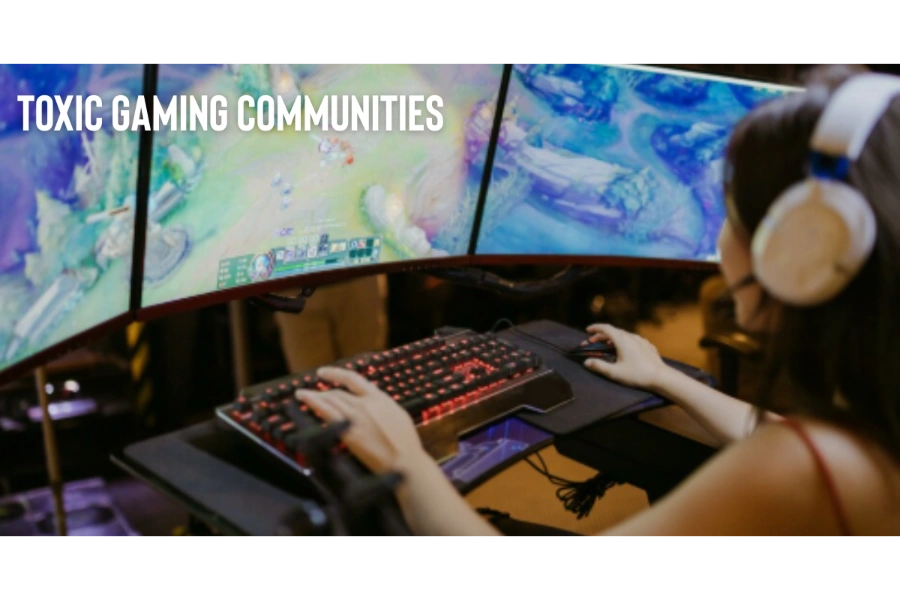
For years, online games have lived with a gap between how serious they feel and how lightly they are regulated. Esports fills arenas, console lobbies connect teenagers with strangers at all hours, and yet voice and text chat are often treated as a chaotic free-for-all. That gap is closing. The UK’s Online Safety Act is now in force, and Ofcom has begun issuing detailed guidance that explicitly covers online video games, live chat and recommendation systems.
This is happening against a bleak backdrop. Ofcom’s latest Online Nation report found that more than two thirds of UK internet users aged 13 and over had encountered at least one potential harm online in 2024, with a quarter of adults seeing hateful or discriminatory content. Women and young people are particularly exposed. Separate research from Women in Games and Bryter reports that 59% of women and girls who play games in Britain have experienced some form of toxicity from male gamers, and a third avoid speaking in online games as a result.
Ofcom’s newest guidance, including measures to curb pile-ons and the spread of deepfake abuse, is framed mainly around social media, but the same principles now apply to UK-linked gaming platforms and services. The question for developers, community managers and players is simple: will tighter rules finally make gaming spaces safer for women and teens, or will they flatten the “banter” culture that many players still cherish.
What does the Online Safety Act actually require from game platforms?
Under the Act, any online service with user-to-user interaction that has a link to the UK falls within scope. Ofcom’s October 2025 gaming guidance spells this out for studios and publishers: if your game lets players send messages, chat via voice, join matchmaking lobbies or stream live content, you are now responsible for assessing and mitigating the risks of illegal harms on those features.
That does not mean moderators are expected to review every line in team chat. The regime focuses on systems and processes rather than individual items of content. Providers must carry out risk assessments, build safety by design into their products and show Ofcom they have proportionate tools for reporting, blocking, muting and removing harmful content. For higher-risk platforms, the regulator is already demanding formal risk assessments and can issue fines if firms drag their feet.
For games, that translates into some very practical changes:
- More visible safety settings in menus and launcher screens.
- Default protections for children, such as stricter privacy and contact controls.
- Clearer community guidelines that explicitly cover harassment, pile-ons and deepfake abuse.
- Better logging and analytics so studios can show they are tackling repeat offenders.
Key point
The new rules shift responsibility from individual players “toughing it out” to game companies demonstrating that their systems actively reduce the risk of harm.
Also Read: Core Ball Game: Complete Guide to Levels, Gameplay, Tips, and Winning Strategies
How will this change voice comms, text chat and esports streams?
Voice chat has long been the pressure point where theoretical harms collide with lived experience. Studies collated by Ofcom and campaign groups show that women, girls and younger players are much more likely to mute themselves, conceal their identity or stop using voice entirely to avoid harassment in online games. Under the Online Safety Act, there is now a direct regulatory incentive to tackle that pattern.
In practice, larger platforms are already experimenting with a mix of automated and human moderation. That includes real-time filters for slurs in text chat, retrospective review of voice clips flagged by players and graduated sanctions that range from muting and lobby bans to full account suspensions. Esports tournament organisers, especially those running UK-based broadcasts, are tightening on-air chat policies and making clearer distinctions between competitive “hype” and targeted abuse, with casters and production staff briefed to shut down the latter quickly.
Some studios are going further, baking in pre-set communication wheels, opt-out team voice channels and default restrictions that prevent adults contacting unknown children via in-game voice or messaging. These changes will not kill competitive intensity, but they are likely to reduce the ambient background noise of slurs and threats that many players still treat as normal.
Key point
Voice and chat will not disappear, but the default will shift from “anything goes” to “safety first, opt into more” as studios try to show Ofcom they are serious about risk.
Will tougher rules kill gaming “banter” or protect those who never joined in?
The cultural fear in some corners of gaming is familiar: that moderation plus regulation equals humourless, overpoliced servers. Yet when you look closely at the data, the people most affected by current norms are the ones who speak the least. In Bryter’s survey, 34% of women and girls who play games say they avoid speaking in online games for fear of negative reactions from male players, and one in five simply leave games altogether when toxicity spikes.
That hesitation has a cost. Players who cannot use team chat without being harassed are less likely to join competitive ladders, less likely to stick with a title long term and less likely to recommend it to friends. From a pure retention standpoint, many studios now see tackling toxic “banter” not as a moral add-on but as a way to stop losing entire demographics. Ofcom’s broader Online Nation research shows that younger users and women are particularly likely to encounter misogynistic content and unwelcome contact across platforms, including games, which reinforces the case for change.
In some communities, moderation is even becoming a badge of seriousness. UK-based streamers who run tightly controlled chat channels, with rules pinned at the top and safety resources just a scan of a qr code away, report that advertisers and tournament organisers are more comfortable partnering with them than with chaotic, anything-goes channels. They are not waiting for Ofcom to knock; they are future-proofing their image and revenue.
Key point
What some players call “banter” is often experienced as background abuse by everyone else; regulation is nudging studios to prioritise the silent majority over the loudest voices.
How are UK community managers and streamers preparing in practice?

Talk to community managers at UK studios and a pattern emerges. Many are treating Ofcom’s guidance as a chance to formalise work they were already doing rather than a total reset. Safety teams are revisiting their codes of conduct, mapping them explicitly to risks identified in Ofcom’s gaming guidance, and making sure reporting flows are easy to explain in a single slide at the start of a tournament or community event.
On the tooling side, there is a shift towards more granular controls. Instead of a single “report player” button, users might see separate options for voice abuse, hate speech, deepfake sharing or off-platform harassment. Some studios are piloting safety dashboards that show moderators spikes in reports across specific regions, modes or time slots, helping them spot emerging problems before they turn into headline-grabbing pile-ons. For grassroots esports, organisers are leaning on sign-up flows that collect consent, age checks and clear behaviour rules up front, so there is less ambiguity on match day.
Streamers, meanwhile, are rethinking their broadcast setups. Many already rely on bot-assisted moderation for Twitch or YouTube chat. Now they are adding simple explainer panels that outline zero-tolerance policies, link to platform reporting tools and, in some cases, direct viewers to mental health or anti-bullying resources via a scannable qr code in their overlay. The aim is not to terrify regulars but to show sponsors, platforms and regulators that they take duty of care seriously.
Key point
Behind the scenes, UK community teams are turning scattered “best practice” into documented systems, knowing that Ofcom will increasingly expect to see hard evidence, not good intentions.
What will change for recommendation algorithms and off-platform culture?
The Online Safety Act does not just look at what users say; it also pushes platforms to consider how their design and algorithms amplify harmful content. Parliamentary scrutiny of online harms, including the Southport misinformation case, has highlighted how recommendation systems can reward outrage and pile-ons with reach and ad revenue. For gaming platforms, that raises awkward questions about how clips, streams and community posts are promoted.
Expect to see more conservative defaults, especially for younger users: safer “for you” recommendations, age-aware discovery feeds and clearer tools to turn off personalised suggestions altogether. UK regulators are particularly concerned about deepfake abuse, intimate image sharing and dogpiled harassment of women and girls. That is likely to feed into how game launchers, forums and companion apps surface content, with stronger friction around trending posts that attract sudden spikes of hostile replies.
Off-platform spaces, from Discord servers to Reddit communities, sit in a more complex position. Some will fall directly within scope if they serve UK users at scale; others will mainly feel pressure through partners. A tournament organiser who sends participants to a Discord with clear rules, pinned safety information and a quick-report form accessible through a qr code link will be in a stronger position than one who shrugs and hopes for the best. Even where Ofcom cannot act directly, brands and sponsors can.
Key point
Recommendation systems and “unofficial” side channels are moving from afterthoughts to core safety issues, with both regulators and sponsors looking closely at how they fuel or dampen abuse.
In summary
The UK’s Online Safety regime is not a magic wand for toxic gaming culture. No law can stop every slur in voice chat or every pile-on around a controversial clip. But for the first time, studios, platforms and tournament organisers linked to the UK face clear, enforceable expectations about how they assess risk, design safety features and respond when things go wrong.
For players, the shift will be uneven. Some communities will barely notice beyond clearer reporting buttons and slightly stricter chat rules; others will see a real change in who feels able to speak, stream and compete. The stakes are high, especially for women and teenagers who have spent years treating muting and self-censorship as the price of entry. The Online Safety Act will not end abuse, but it may finally make it harder for the industry to look away.
FAQ
Will the Online Safety Act censor normal in-game trash talk?
The Act does not ban competitive energy or disagreements. It targets illegal harms and requires companies to manage clear risks such as hate speech, serious harassment and deepfake abuse. How far individual games go beyond that will depend on their own community standards.
Do these rules apply to games hosted outside the UK?
Yes, if a service has a “link to the UK”, such as a significant UK user base or marketing here, Ofcom can treat it as in scope. Many large publishers and platforms are adjusting their global policies rather than running separate UK-only versions.
What changes should players expect to see first?
You are likely to notice clearer reporting tools, more prominent safety settings, stricter age-related defaults and occasional prompts or “timeouts” when behaviour crosses the line. High-profile esports events may also talk more openly about code-of-conduct rules on air.
Will women and girls actually be safer in voice chat?
Regulation alone cannot fix culture, but it does give studios a strong incentive to reduce abuse that pushes women and girls out of voice chat and competitive play. Combined with better tools and clearer support from community leads, it should make opting in feel less risky over time.
Can players still be anonymous under the new rules?
In most cases, yes. The Online Safety Act focuses on platform responsibilities rather than forcing real-name policies. However, age checks, device-level signals and behind-the-scenes verification may become more common, especially on services popular with children.