
Transforming Interiors With Light and Modern Screens
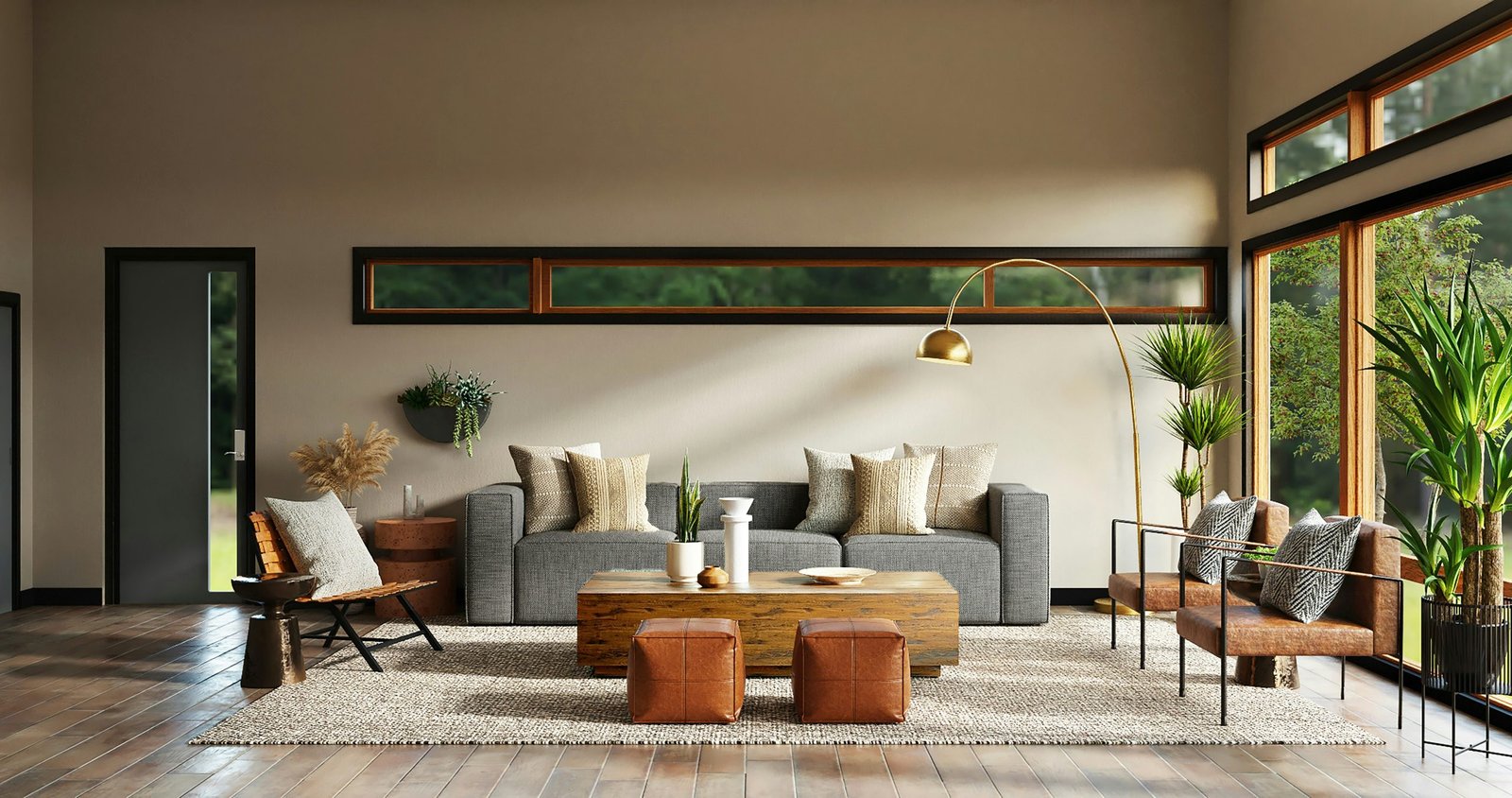
Interior design has entered a new era where the way we shape, filter, and illuminate space matters just as much as the materials themselves. Homes are no longer defined by solid walls and predictable layouts. They’re becoming fluid environments that adapt to mood, purpose, and lifestyle through the clever use of lighting, translucent surfaces, and architectural screens. These elements work together to soften boundaries, guide movement, and add layers of emotion to a room. Their growing popularity reflects a shift toward spaces that feel more expressive and experiential, inspired in part by the innovations seen in the illuminated lighting design services of naples, fl.
The Power of Light as a Design Element
Light has always influenced how we perceive a room, but today it’s used as an active material rather than a mere functional necessity. Instead of relying solely on overhead fixtures or daylight from windows, designers are embedding light within surfaces, framing it through screens, and letting it move across rooms in unexpected ways.
This approach creates interiors that feel alive. Light becomes directional when filtered through patterns, ambient when diffused behind materials, and intimate when placed strategically at the human scale. Its effects change throughout the day, shifting the personality of the home without requiring physical changes to the layout. This is especially powerful in open-concept living areas, where managing atmosphere and spatial rhythm can be challenging. The ability to sculpt light gives homeowners a new level of control over mood and energy.
Modern Screens: Redefining Boundaries With Art and Function
As lighting takes on a more expressive role, modern screens are becoming essential architectural tools. Screens allow designers to divide space without shutting it down. They offer privacy without isolation and structure without heaviness. The beauty of this approach lies in its adaptability. Screens can be solid, perforated, translucent, or retractable, and their patterns influence how light passes through them.
In many homes, a simple screen can transform how two rooms interact. A living area gains intimacy without losing its openness. A kitchen feels connected yet more defined. A hallway becomes a feature instead of a forgotten passage. Screens invite movement and soften transitions, making interiors feel more deliberate and harmonious. They also introduce texture and geometry that interact beautifully with layered lighting solutions. When thoughtfully integrated, they achieve the kind of effortless elegance often associated with innovations from Phantom Screens Long Island, NY.
When Light and Screens Work Together
The real magic happens when lighting and architectural screens are combined. The interplay between them creates stories within a room. A beam of light filtered through a patterned screen casts intricate shadows. A softly glowing surface behind a translucent divider turns into a work of art. Even the simplest light source becomes more meaningful when shaped or redirected by the texture of a screen.
This pairing allows designers to build environments that shift with time. Early morning sunlight might create long, dramatic shadows, while evening lighting brings warmth and intimacy. As screens break up or diffuse light, interiors gain a sense of movement and dimension. Rooms no longer feel static. They breathe with the day. This is why the fusion of these elements is quickly becoming a signature of sophisticated design. It blends practicality with poetry, creating homes that look beautiful and feel emotionally layered.
Read More: From Messy to Inviting With Reliable Home Cleaning Help
Beyond Stone: Embracing Translucent Materials
Although backlit stone is a striking example of how light interacts with surfaces, it’s just one part of the larger picture. Today’s interiors use a wide variety of translucent materials to achieve mood and character. Frosted glass, resin panels, light-diffusing fabrics, and textured acrylics are increasingly common in modern layouts. They allow homeowners to enjoy dramatic lighting effects without committing to heavy materials.
These surfaces can be used as partitions, cabinet fronts, room dividers, or accent features. Their purpose is to soften light, redistribute it, and add a subtle glow without overwhelming the space. Whether paired with warm lighting for a cozy atmosphere or cool lighting for a contemporary edge, translucent materials broaden a designer’s toolkit. They encourage creativity and give every room a sense of refined personality.
Creating Depth and Atmosphere Through Layering
Designers often refer to “layering” when describing advanced interior planning, and lighting-plus-screens is one of the most effective examples of this concept. Layering happens when multiple elements work together to build depth. Instead of relying on a single dramatic feature, the room benefits from a series of coordinated design decisions.
Read More: A Calm Clean Home Starts with the Right Help
A softly illuminated surface adds warmth, while a screen introduces pattern and dimension. A directional light source guides the eye, and a translucent material diffuses brightness. All these effects blend into a space that feels balanced and elegantly composed. Layering is what stops a home from appearing overly minimal or overly decorated. It strikes the perfect middle ground: visually engaging yet comfortably livable.
How Homeowners Can Use These Concepts Today
The best part of this design philosophy is how accessible it has become. You don’t need a full renovation to enjoy the impact of light and screens. A single screen panel can redefine a living area. An illuminated feature can refresh a dull corner. Replacing a solid door with a retractable or light-filtering option can instantly modernize an entire floor.
The goal is always the same: create movement, mood, and harmony. Whether the home is contemporary, traditional, or somewhere in between, these techniques bring a fresh perspective. They make rooms feel both functional and expressive, giving homeowners a sense of control over ambiance and flow.
Read More: 4 Smart Ways To Upgrade A Dated Home Without Losing Its Soul
A New Way to Experience Your Home
Transforming interiors with light and modern screens is more than a trend. It’s a new way of thinking about space. Rather than seeing rooms as fixed and rigid, this approach embraces fluidity. Light becomes a tool for storytelling. Screens become instruments of rhythm. And the home becomes a place where the atmosphere can shift with intention and ease.
For anyone seeking a space that feels personal, elevated, and thoughtfully designed, these elements offer endless possibilities. They turn ordinary layouts into expressive environments and redefine what it means to live in a beautifully crafted home.