
Guia Silent Hill Geekzilla (2026): Everything You Need to Know
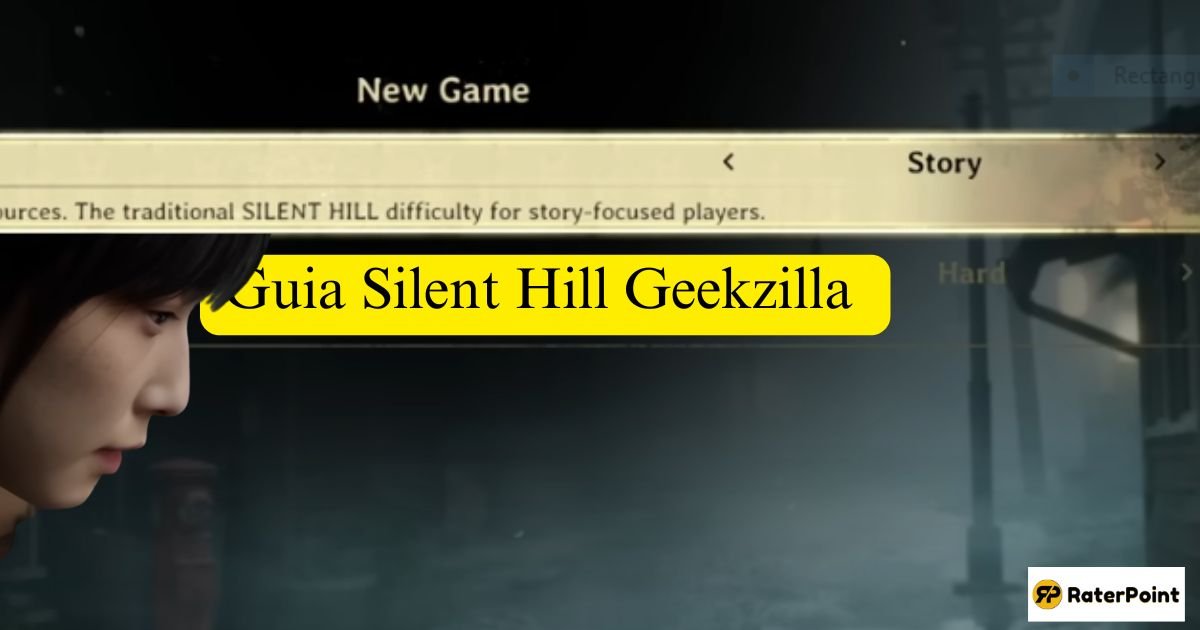
Silent Hill is a famous horror game series that first appeared in 1999. It takes players to a foggy town filled with strange creatures, dark secrets, and emotional stories. Unlike many horror games, Silent Hill does not rely on loud noises or sudden scares to frighten players. Instead, it uses atmosphere, silence, and deep storytelling to create fear that slowly builds in your mind.
Silent Hill is known as psychological horror because the fear comes from emotions, guilt, and inner struggles, not just monsters.
Even in 2026, gamers are still searching for Silent Hill because its story and themes never feel outdated. New players want to understand its meaning, while long-time fans continue to discuss its hidden messages and endings. The series also inspired many modern horror games that focus on mood, storytelling, and mental fear rather than simple jump scares.
Guia Silent Hill Geekzilla is important because it changed how horror games are made and its influence is still felt today.
The Origins of Silent Hill: How the Nightmare Began?
Silent Hill initially published in 1999, and from the very beginning, it seemed different from other horror games. Silent Hill approached horror more slowly and thoughtfully, in contrast to the majority of games at the time, which concentrated on action and quick scares. It was more than just battling demons; it was about being disoriented, perplexed, and anxious.
The goal of Silent Hill’s creative team was to frighten gamers more thoroughly. They employed quiet, odd sounds, and unsettling pictures in place of loud music and unexpected assaults. Not merely panic, but emotional strain was the intended effect.
The location was what truly made Silent Hill unique. Players were terrified of the unknown because of the fog-covered town’s limited visibility.
That’s how Silent Hill began its journey as a true psychological horror classic.
Complete List of Silent Hill Games and Versions
The Silent Hill series has grown over many years, and each game brings something different to the experience. If you’re new, this section helps you understand the order, themes, and where you might want to begin. Some games focus more on story, while others lean into exploration or combat—but all keep the core horror feeling alive.
| Game Title | Release Year | Main Platform(s) | Core Theme |
| Silent Hill | 1999 | PlayStation | Fear of the unknown, survival |
| Silent Hill 2 | 2001 | PlayStation 2 | Guilt, grief, psychological trauma |
| Silent Hill 3 | 2003 | PlayStation 2 | Identity, cult influence, fear |
| Silent Hill 4: The Room | 2004 | PlayStation 2, Xbox | Isolation, being trapped |
| Silent Hill: Origins | 2007 | PSP, PlayStation 2 | Past trauma, origin story |
| Silent Hill: Homecoming | 2008 | PS3, Xbox 360 | War trauma, guilt |
| Silent Hill: Downpour | 2012 | PS3, Xbox 360 | Punishment, personal fear |
Over the years, Silent Hill also received spin-offs and remastered versions, helping new players experience the series on modern systems. Some games reworked graphics and controls, while others tried new ideas within the Silent Hill universe.
One of the most talked-about moments in the franchise is the cancelled project “PT / Silent Hills.” Even though it was never released, it left a huge impact on horror gaming and is still discussed by fans today.
If you’re wondering where to start, many players recommend Silent Hill 2 because of its deep story and emotional impact.
Read More: The Tech Behind the Game: Technologies HearthSSGaming
The Psychological Horror Behind Guia Silent Hill Geekzilla
Silent Hill has a completely other kind of terror. It focuses on psychological horror rather than loud jump scares or constant action.
The goal of traditional horror is to startle you. You feel uneasy playing Silent Hill, and you continue to feel that way long after you quit.
This is mostly due to the way the game employs sound, fog, and stillness. There are moments when the only sounds are footfall or radio static. What lies ahead is obscured by the dense fog, leaving your imagination to fill up the gaps. To be honest, your imagination is frequently more terrifying than your reality.
Everything in Silent Hill also has meaning. Like the protagonists’ thoughts, the surroundings feel deteriorated and damaged. The adversaries are frequently symbolic of fear, remorse, or traumatic experiences rather than being random monsters. Even the structures seem to convey a narrative without using words.
Fear in Silent Hill feels so intimate because of this. In addition to putting you in peril, the game draws you into the characters’ internal conflicts.
Gameplay Basics – How Silent Hill Actually Plays
Silent Hill isn’t a fast-paced action game, and that’s intentional. Most of the time, you’ll be exploring dark streets, abandoned buildings, and strange locations. As you move forward, you’ll solve puzzles that make you think and pay attention to details. Notes, symbols, and small clues often matter more than quick reactions.
Combat in Silent Hill feels slow and awkward on purpose. Your character isn’t a trained fighter, so weapons are limited and hard to use. This makes every encounter feel tense. Sometimes, avoiding enemies is smarter than fighting them—and that keeps the fear alive.
Another big part of the game is resource management. Ammo and health items are limited, so you can’t waste them. You’ll often ask yourself, “Do I really need to fight this?” That constant decision-making adds stress in a good way.
Silent Hill also lets players choose difficulty settings, including puzzle difficulty. Easier modes help new players enjoy the story, while harder modes challenge experienced fans. This balance makes the game accessible but still rewarding.
Read More: 10 Club Penguin Similar Games That Gamers Will Love
Beginner Tips for New Silent Hill Players
- Save your resources whenever possible: Ammo and health items are limited, so don’t fight every enemy you see. Sometimes it’s better to run past them or avoid dark areas until you’re ready.
- Avoid common beginner mistakes: New players often rush forward or waste ammo early. Take your time, explore carefully, and always check your surroundings for useful items.
- Approach puzzles calmly and logically: Read notes slowly, look for patterns, and don’t overthink things. Most puzzles give clear hints if you pay attention to the environment.
- Be patient—it’s part of the experience: Silent Hill is meant to feel slow and tense. Moving carefully and staying calm helps you survive and enjoy the story much more.
Silent Hill in Modern Gaming Culture (2026 Update)
In 2026, horror games are more popular than ever and Silent Hill is a big reason why. Many modern horror titles now focus on atmosphere, deep stories, and emotional fear instead of nonstop action. This renewed interest has pushed players to look back at games that truly understood fear, and Silent Hill always comes up in those conversations.
There’s also constant talk about remakes, reboots, and future Silent Hill projects. Even rumors alone are enough to get fans excited.
Long-time players hope to relive the classic experiences, while new players are curious to see why the series is so highly respected. That excitement keeps Silent Hill alive, even years after its original releases.
Silent Hill still sets the standard because it treats horror as something personal and meaningful. It doesn’t rush players. It lets fear build slowly. Many games try to copy this style, but few manage to do it as well. That’s why Silent Hill is still seen as a benchmark for psychological horror.
Today, new players discover Silent Hill through online videos, reviews, fan theories, and guides like Geekzilla. Social media and streaming platforms introduce the game to a whole new audience. And once people step into that foggy town, they understand why Silent Hill continues to matter.
Frequently Asked Questions About Guia Silent Hill Geekzilla
Is Silent Hill based on a true story?
No, Silent Hill is not based on a real story. However, the town was inspired by real places with foggy environments. The emotions, trauma, and psychological themes are fictional, but they feel realistic, which makes the game more disturbing.
Which Silent Hill game should I start with?
Most players recommend starting with Silent Hill 2. It has a strong story, balanced gameplay, and doesn’t require deep knowledge of the earlier games. It’s a great entry point for new players.
Is Silent Hill scarier than Resident Evil?
That depends on the type of fear you prefer. Silent Hill focuses on slow, psychological horror that stays in your mind. Resident Evil leans more toward action and jump scares. Silent Hill feels more emotional and personal.
Why is Silent Hill so confusing?
Silent Hill doesn’t explain everything directly. The story uses symbolism, hidden meanings, and open endings. This is done on purpose, so players think and interpret the story in their own way.
Can you play Silent Hill on modern platforms?
Some Silent Hill games are available through remasters or digital versions, but not all titles are easy to access. Many players use older consoles or supported re-releases to experience the series today.
Why Does Silent Hill Remain a Timeless Horror Masterpiece?
Silent Hill has stood the test of time for a reason. In this guide, we explored its origins, its games, its deep psychological horror, and why it still matters in 2026. Every part of the series works together to create fear that feels thoughtful, emotional, and unforgettable.
More than just a game, Silent Hill is an experience. It tells stories about guilt, fear, and the human mind in a way few games ever have. The fog, the silence, and the strange monsters all serve a purpose—they make you think and feel, not just react.
For new players, Silent Hill offers a unique kind of horror worth discovering. For returning fans, it’s a reminder of why this series left such a strong mark. No matter when you enter the foggy town, Silent Hill always leaves something behind with you.