
Ceramic Injection Molding as the Future of Cleaner Manufacturing
Sustainability is no longer a buzzword. It has become a real benchmark for judging how responsibly something is made. Ceramic injection molding, or CIM, is one of those rare technologies that genuinely earns its place in the sustainability spotlight. It allows manufacturers to create highly complex components with less waste, longer lifespan, and a production process that is noticeably cleaner than many traditional methods, supporting efforts in planning long term disaster restoration strategies with materials that deliver both durability and environmental responsibility.
How Ceramic Injection Molding Works and Why It Matters
Ceramic injection molding blends ultra-fine ceramic powder with a binder to create a moldable feedstock. This material is injected into a mold, shaped, then heated at high temperatures to remove the binder and strengthen the ceramic. The final part is dense, precisely formed, and exceptionally durable.
What makes CIM stand out is how easily it replicates intricate shapes. Parts that would require multiple machining steps using conventional ceramic methods can be created in one streamlined process. That efficiency is a major reason CIM is becoming a preferred manufacturing option for industries that care about both performance and environmental impact.
Less Waste, More Efficiency
Traditional ceramic production often means grinding, shaping, trimming, and sanding. All those steps generate scrap that cannot always be reused. CIM avoids most of that. Because the ceramic feedstock fills the mold exactly, material usage is tightly controlled. Very little ends up being thrown away.
Even better, leftover feedstock can often be recycled back into the next batch. That keeps waste low and supports a circular approach to material use. For manufacturers wanting to shrink their environmental footprint, this is a clear advantage.
Cleaner and Smarter Energy Use
Although sintering requires high heat, CIM still tends to use less total energy than many classic ceramic fabrication techniques. That’s because the process eliminates many extra steps. Instead of shaping and reshaping parts repeatedly, CIM forms the component almost perfectly during the injection stage.
Modern sintering furnaces are far more energy-efficient than older equipment, which adds another layer of sustainability to the process. The end result is a cleaner production flow with fewer emissions and a much tighter control over material and energy consumption.
Read More: Cleaner Workspaces, Easier Breathing: How Professional Cleaning Boosts Indoor Air Quality
Longer Lifespan Means Fewer Replacements
Ceramics have always been known for their strength, hardness, and resistance to extreme conditions. Parts created through ceramic injection molding often last significantly longer compared to their metal or plastic counterparts.
This longevity plays a major role in sustainability. When a part performs reliably for many years, it reduces the need for replacements, cuts down on resource use, and lowers long-term waste. Industries that rely on precision components, from engineering systems to specialized recovery and field-response operations, value CIM for exactly this reason.
A Cleaner Manufacturing Floor
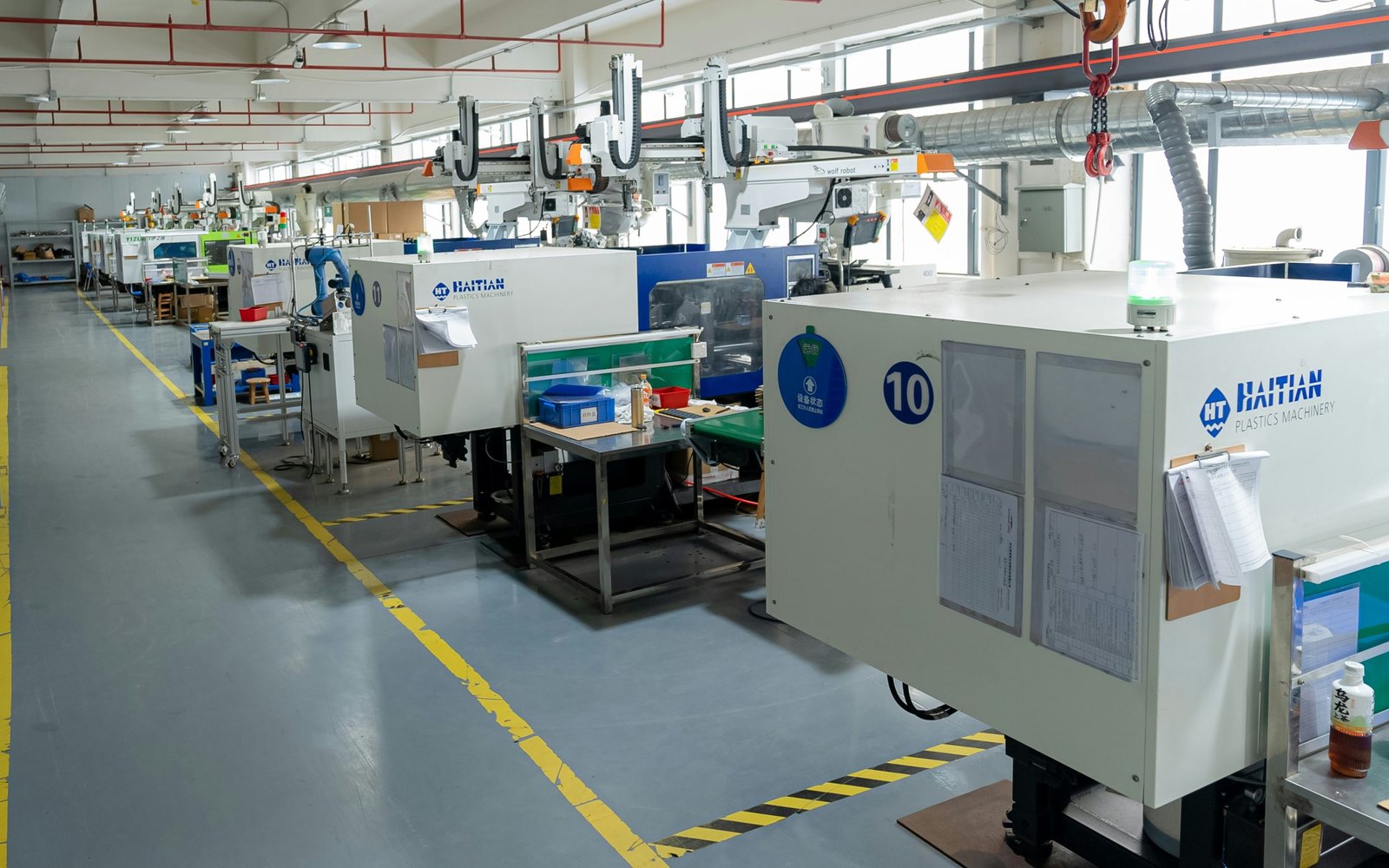
One of the unsung benefits of CIM is the cleanliness of the production environment itself. The process creates fewer byproducts and minimizes the number of rejected pieces due to defects. The feedstock is consistent, the molds are precise, and the finished parts come out nearly identical every time.
This reduces scrap, improves worker safety, and contributes to a more environmentally responsible workflow. In fields where precision and reliability are crucial, these benefits make ceramic injection molding especially valuable.
Read More: 9 Genius Cleaning Hacks You’ll Wish You Knew Sooner
Real-World Impact Across Industries
High-durability ceramic components are crucial in many heavy-duty applications. Some sectors that deal with industrial response, restoration, or long-term equipment deployment rely on strong, long-lasting materials. CIM helps them achieve that reliability while still aligning with sustainability goals. The ability to produce robust components without excessive waste or pollution strengthens both operational performance and environmental stewardship.
Fun facts
- Fun fact: Some advanced ceramics used in CIM are so tough that certain types can rival the hardness of steel, yet remain lighter and completely corrosion resistant.
- Fun fact: Early forms of ceramic molding were once used in the production of spark plugs, making CIM a modern evolution of a surprisingly old idea.
Why CIM Stands Out in Sustainability Conversations
Ceramic injection molding checks nearly every box on the sustainability checklist. Lower waste, fewer processing steps, controlled material usage, long-lasting components, and a cleaner production environment all contribute to a significantly reduced environmental impact.
As industries everywhere look for manufacturing solutions that combine high performance with responsible practices, CIM is quickly becoming a standout technology. It shows that precision engineering and sustainability can live side by side, shaping a future of manufacturing that is as clean as it is effective.